
Transforming the mundane into the magnificent through collage
The Alchemy of Art
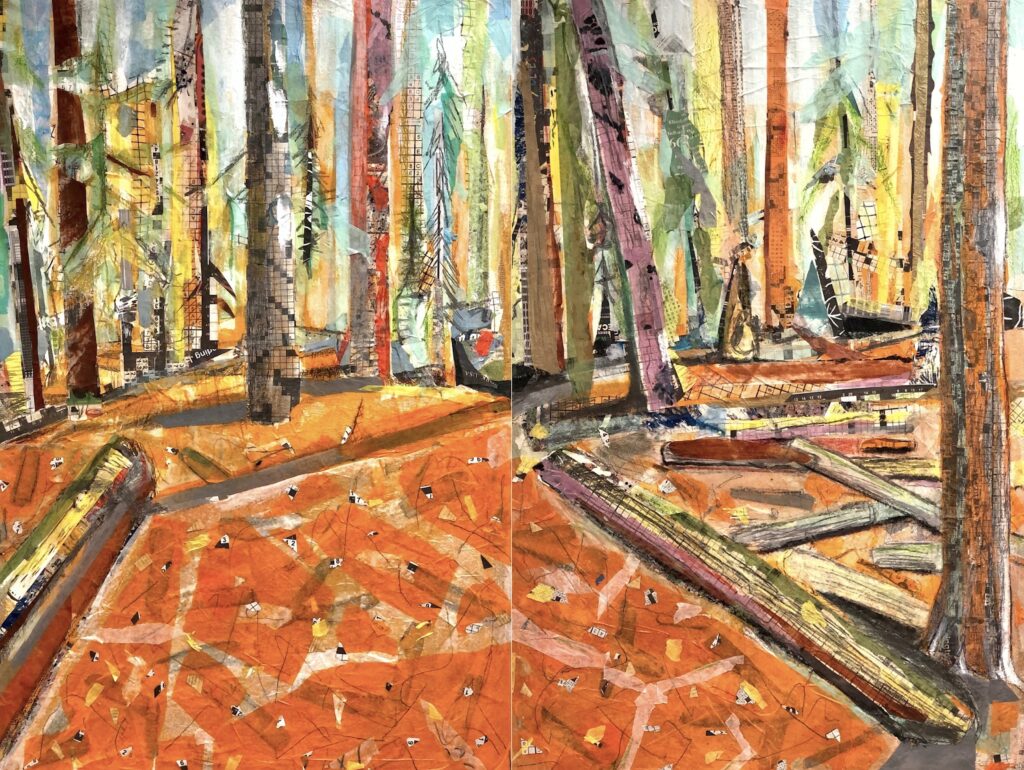
What if I told you that grocery store circulars, old newspapers, and tissue paper could become precious artifacts? That the detritus of daily life could be transformed into something that feels simultaneously ancient and contemporary? This is the heart of my artistic practice—an ongoing exploration of how everyday materials can be elevated through artistic intervention into what I call “future antiques.”
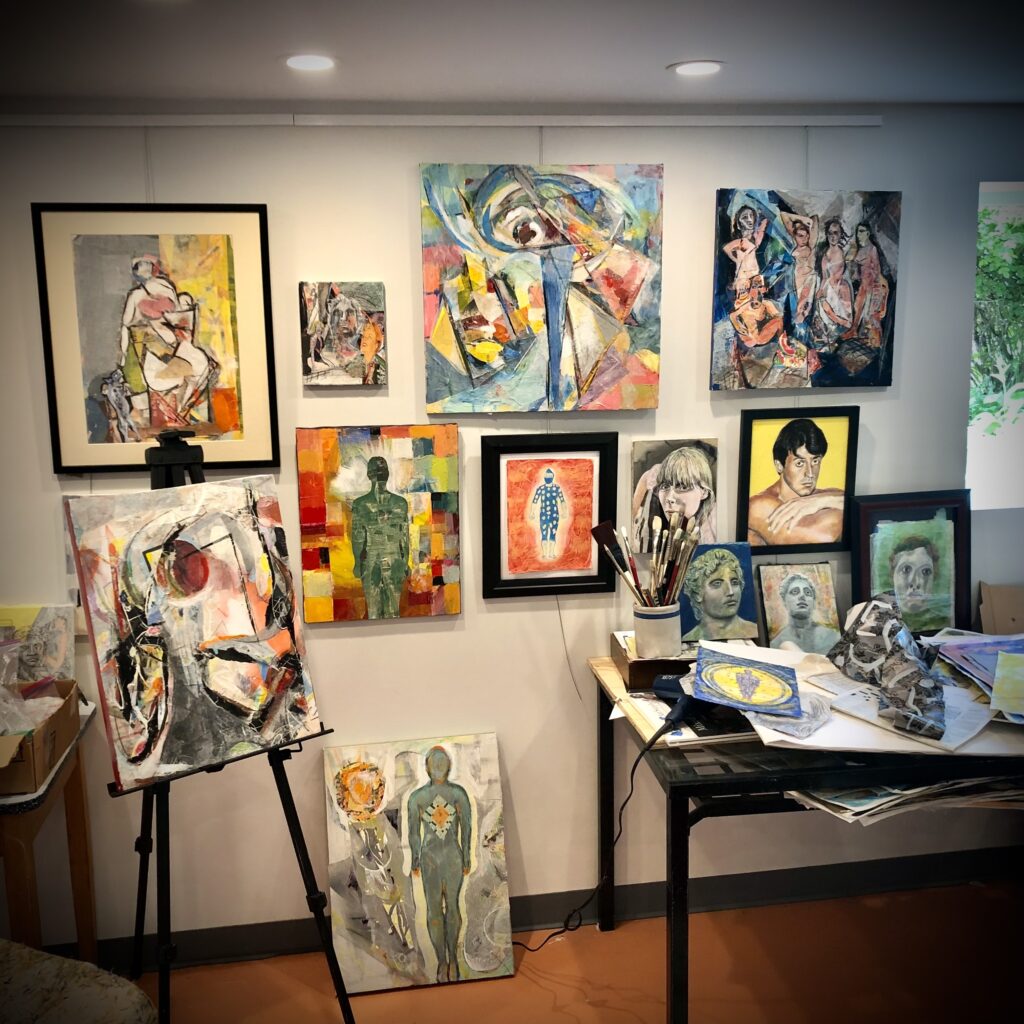
Over the past decade since I began this journey in 2014, I’ve discovered that the most profound art often emerges from the most humble beginnings. My studio is filled with collected ephemera: newspapers with their urgent headlines already fading into history, grocery advertisements promising temporary deals, tissue paper that once protected a purchase—all waiting to be transformed through the alchemy of artistic process.
The Philosophy Behind the Process
My approach to abstract collage is rooted in a deep appreciation for art history while speaking directly to contemporary concerns. Drawing inspiration from mid-century masters like Arshile Gorky, Robert Rauschenberg, and the mystical Northwest painters Morris Graves, Mark Tobey, and Kenneth Callahan, I’ve developed a technique that bridges modernism with something more timeless.
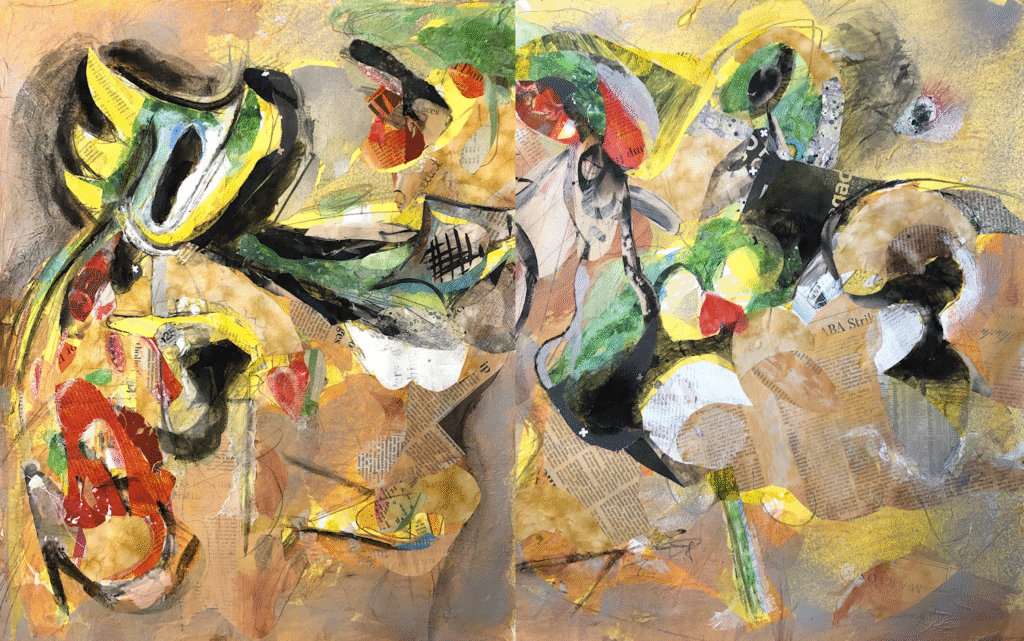
The process begins long before I touch the canvas. I spend considerable time preparing my materials—painting newspapers with oils and acrylics, transforming tissue paper with inks and spray paints, creating what becomes my palette of prepared collage materials. This isn’t simply about cutting and pasting; it’s about creating a vocabulary of transformed elements, each carrying both its original cultural resonance and its new artistic potential.
Rather than painting directly on canvas, I use these prepared materials as my primary medium. Each piece starts with a dense undercoating that often remains partially visible in the final work, creating layers of historical resonance that invite viewers to discover new relationships between the familiar and the reimagined.
The Discovery of Visual Archaeology
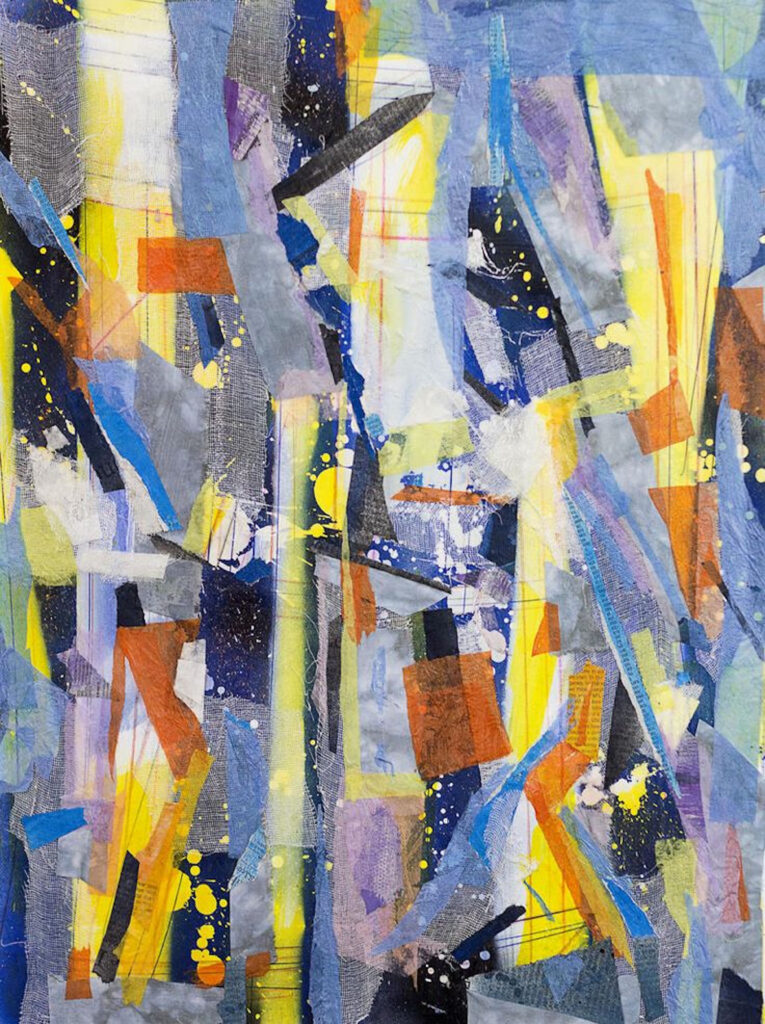
What excites me most about this approach is how it creates what I think of as visual archaeology. When you encounter one of my canvas works, you might first notice the bold compositional elements and color relationships, but closer inspection reveals a complex layering of materials and marks. Like excavating at an archaeological site, viewers continue to discover new elements and relationships within the work over time.
This temporal ambiguity is intentional. I aim to create pieces that feel like they have their own history and significance—works that might make a viewer question when and how they came into being. There’s often an element of humor in these juxtapositions too, finding the sublime in the supermarket circular or newspaper classifieds.
A Journey of Recognition and Growth
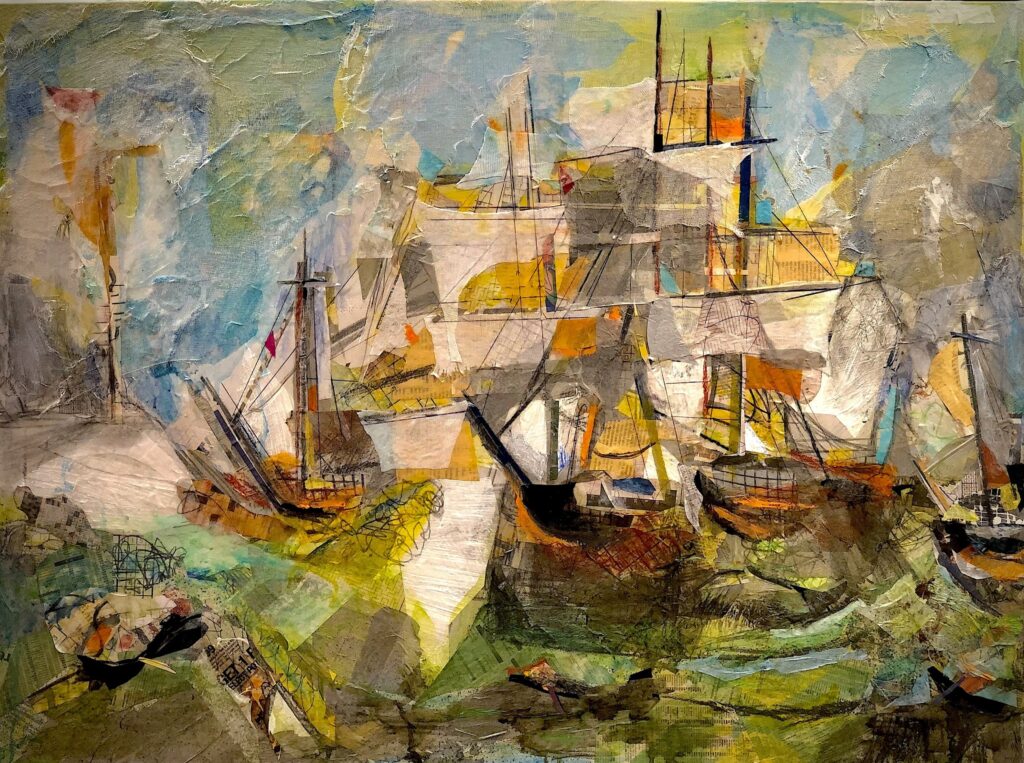
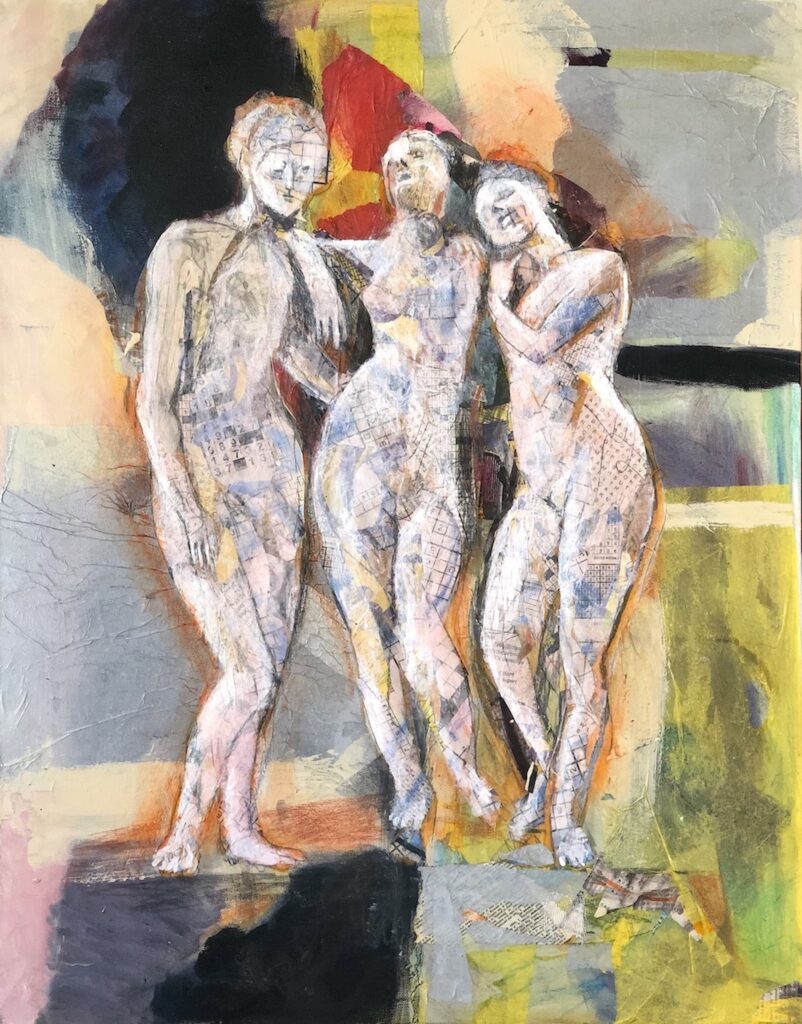
This decade-long exploration has led to recognition that continues to surprise and humble me. My work has been accepted in over 190 literary and art publications, with 22 pieces chosen as cover art. I’ve received 22 art awards and participated in 70 exhibitions, including my recent “Go Figure” abstract collage show at Oak Harbor Public Library, featuring 13 figurative collages that explore human forms within layers of abstracted materials.
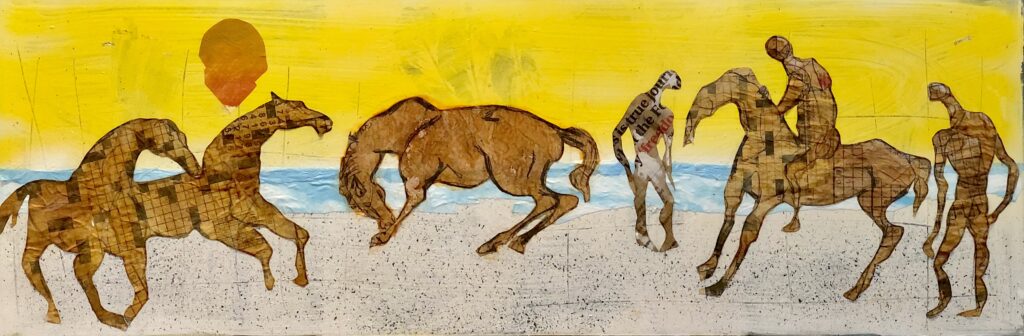
Notable pieces like “Into the Mystic,” “On the Shore,” and “Smoke on the Water” have found homes with collectors who appreciate both the technical complexity and the conceptual depth of the work. Each sale validates not just the visual appeal of the pieces, but the idea that transformation—of materials, of perspective, of value—lies at the heart of meaningful art.
The Democratization of Art Materials
One of the most powerful aspects of working with found materials is how it democratizes the art-making process. You don’t need expensive pigments or rare mediums to create something significant. The materials are all around us, waiting to be seen with fresh eyes. This philosophy aligns perfectly with The Creativity Initiative’s mission to make art accessible to all.
Living and working in an historic farmhouse overlooking Oak Harbor provides both the physical and mental space to contemplate these connections between history, nature, community, and artistic expression. The scenic setting offers perspective on how art can emerge from anywhere, using whatever materials are at hand.
Teaching Through Making
My approach has evolved from personal exploration into something I hope can inspire other artists. The technique I’ve developed—building relationships between elements while maintaining tension between abstraction and recognition—can be adapted by artists at any level. The key is learning to see the potential in overlooked materials and understanding that the transformation happens as much in the artist’s vision as in the physical manipulation of materials.
For emerging artists interested in abstract work, I encourage experimentation with this kind of material preparation. Start collecting ephemera that speaks to you, then experiment with painting and transforming these materials before incorporating them into compositions. The process teaches you to think differently about both your materials and your artistic decisions.
The Continuing Journey
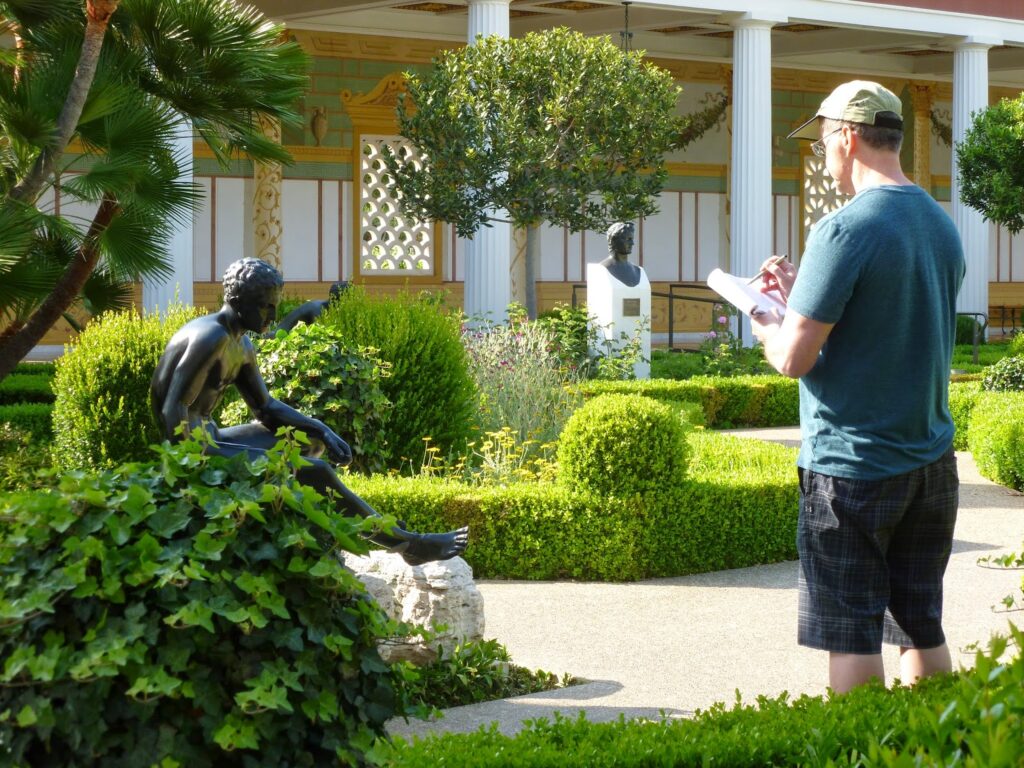
At 70, having recently retired, I find myself entering what feels like a new phase of creative exploration. The discipline of consistent studio practice—typically producing 2-3 new canvas works per month alongside smaller studies—has become second nature. My portfolio now includes over 900 completed pieces, each one a step in understanding how the mundane can become magnificent.
The dialogue with art history continues to inform my practice, but increasingly I’m interested in how the analog nature of this work—the physical transformation of materials by hand—stands in contrast to our increasingly digital world. There’s something powerful about creating work that carries the evidence of human touch and decision-making, especially in an age where much of our visual culture is digitally mediated.
The Bridge to Community
This personal artistic journey connects directly to the broader mission of The Creativity Initiative. When we provide art supplies to students, support artistic education, or create opportunities for creative expression, we’re participating in the same kind of transformation that happens in my studio. We’re taking raw materials—whether physical supplies or human potential—and creating the conditions for something meaningful to emerge.
The same spirit that transforms a grocery store circular into a work of art can transform a person’s relationship with their own creativity. Both require patience, vision, and the willingness to see beyond the obvious utility of materials or capabilities.
The Journey Forward
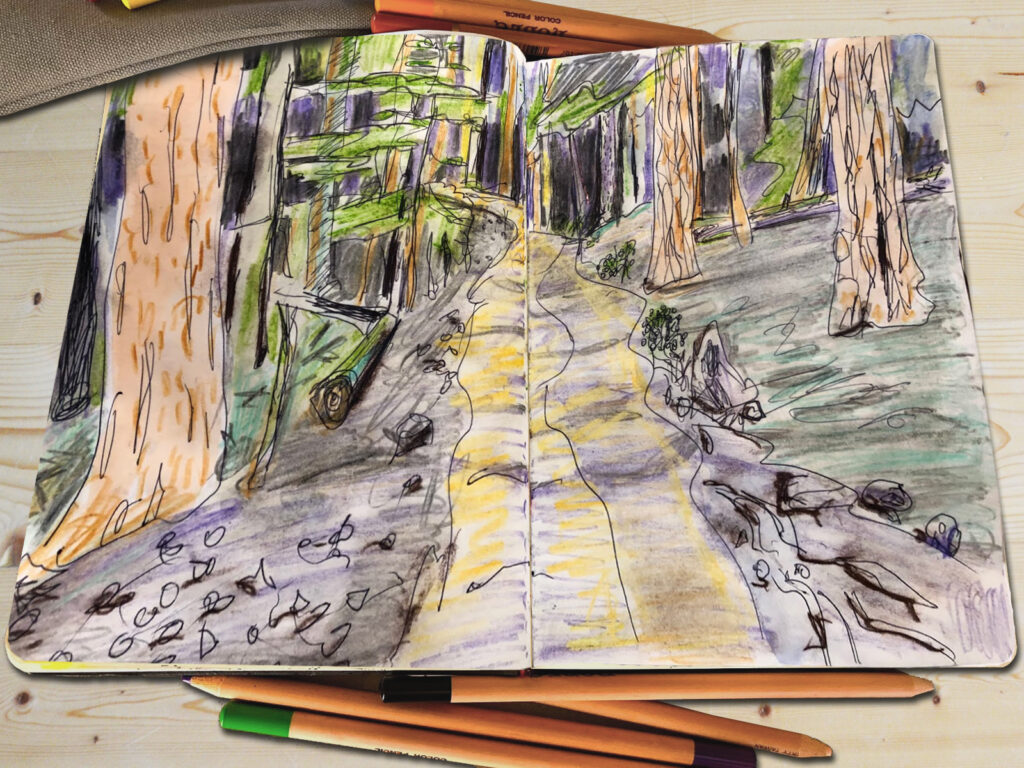
Your creative journey is more than the sum of its materials—it’s a record of your artistic exploration, a collection of visual thoughts, and a testament to your creative growth. Each piece represents a moment of observation, experimentation, and discovery, whether you’re working with traditional media or found materials.
For those ready to begin or deepen their own material exploration, we at The Creativity Initiative recommend Leda Art Supply sketchbooks for their versatile paper quality and durability. Their range of sizes accommodates everything from quick material studies to detailed compositional planning, while the smooth, cream-colored paper accepts multiple media beautifully. The lay-flat binding ensures comfortable working across the entire page, making these sketchbooks ideal companions for artists exploring the transformation of everyday materials. Leda mechanical pencils with black and colored leads are also favorites for initial sketches and planning.
What visual stories will you tell through your own material transformations? Begin today and join the timeless tradition of artists who have found the extraordinary hidden within the ordinary, transforming what others might overlook into works that speak across time.
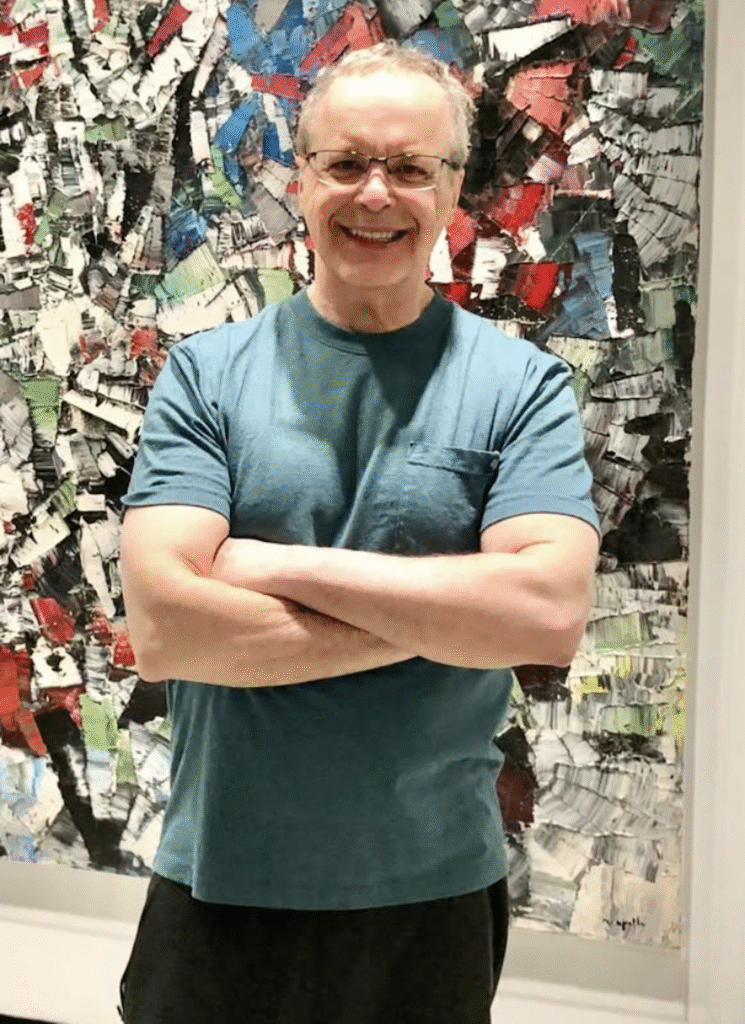
GJ Gillespie is the founder of The Creativity Initiative and has been creating abstract collages since 2014. His work has been featured in over 193 publications and 70 exhibitions. Learn more about supporting creativity in our communities at creativityinitiative.org.
See Art of GJ Gillespie webpage for more.